
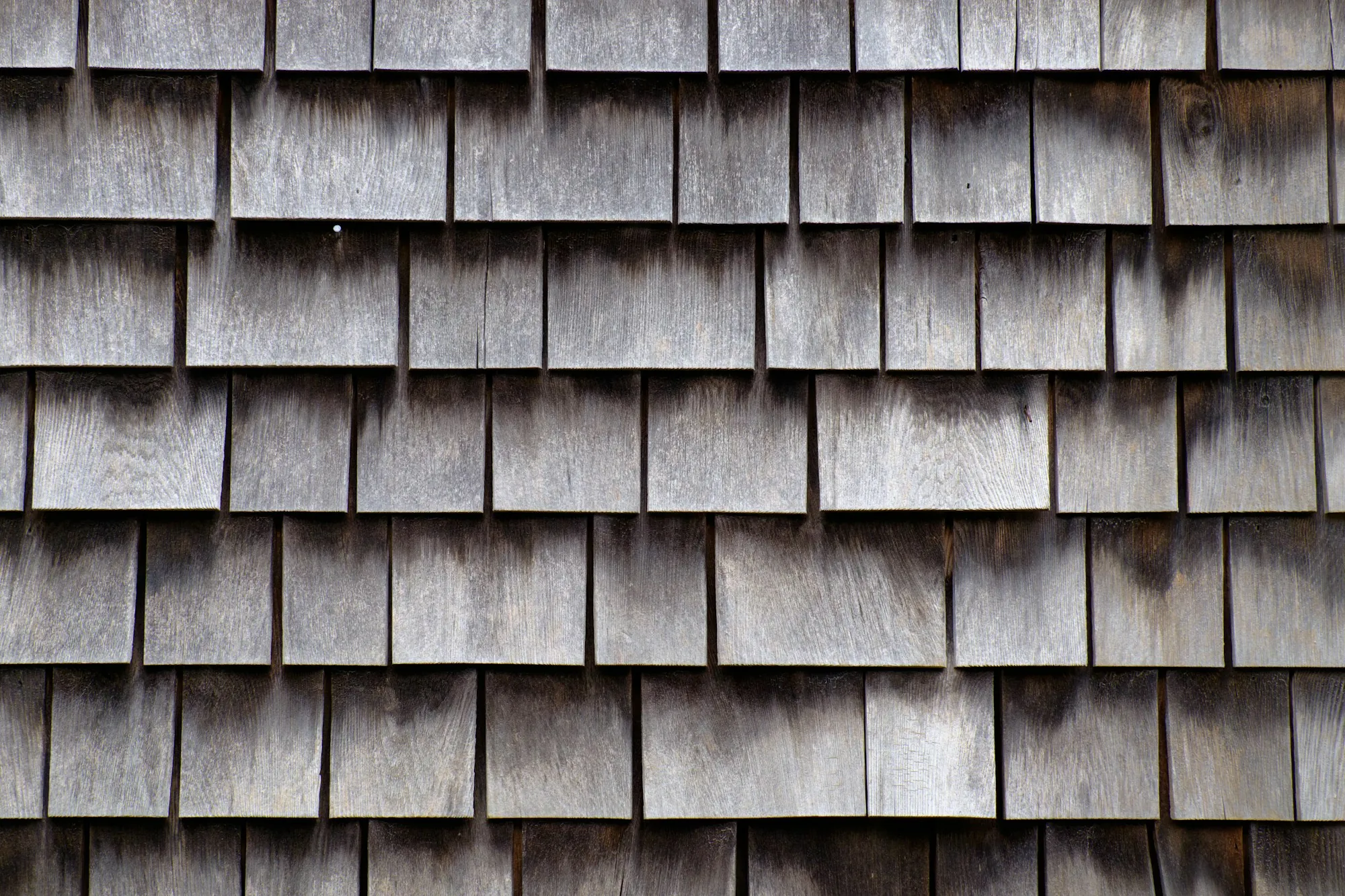
A wood roof on the warm, wet side of Hawaii may last only a quarter as long as the same roof in cool, wet western Oregon. That comparison comes from Oregon State University Extension’s guide to wood shingle and shake roofs, and it is the most useful thing a Duluth homeowner can know about cedar. Heat plus moisture is what wears wood out. Gwinnett County summers bring plenty of both, along with the tall hardwoods that shade so many lots near the Chattahoochee. Cedar shake roof care in a humid climate comes down to one goal: help the wood dry out after every rain. Here are the steps that do the most, in the order they matter.
1. Understand Why Humidity Shortens Cedar’s Life
Cedar fails from the outside in when it stays wet too long. OSU Extension puts it plainly: wood degrades faster with more rainfall and warmer temperatures, and wetter conditions encourage the fungi, mosses and lichens that shorten a roof’s life.
A shake that dries quickly after a storm can weather for decades into that soft silver-gray. A shake that sits damp in shade softens, cups and splits, and the fibers break down where water lingers. That is why two cedar roofs of the same age in Duluth can look completely different. One sits in open sun on a breezy rise; the other sits under a canopy of oaks and stays wet for days after each summer thunderstorm.
For a sense of scale, the InterNACHI estimated life expectancy chart lists wood roofing at about 25 years. OSU Extension stresses there is no single answer, because exposure changes everything. Treat any figure as a starting point that care, shade and installation push up or down.
2. Keep Debris Off the Roof Surface
Debris is the first thing to manage, because it holds water against the wood. The Cedar Shake and Shingle Bureau’s maintenance FAQ says cedar needs to breathe, so any buildup of needles, branches, leaves and dirt affects its lifespan.
In Duluth that means watching the roof after the heavy leaf drop in fall, after pine needles shed, and after spring storms bring down twigs and pollen-coated debris. Pay closest attention to valleys, the spaces behind dormers, and the uphill side of anything that breaks the roof plane, since debris piles up there and drains slowly. Gentle removal is the rule: a soft brush or a leaf blower used from a safe position, never a shovel or rake that catches the butts of the shakes. If the roof is steep or high, leave it to someone with proper fall protection.
3. Open Up Shade and Airflow Around the Roof
Shade is the quiet enemy of a cedar roof. OSU Extension recommends removing overhanging branches to improve roof life, noting that trees shade the roof and slow drying between rainfalls, while also dropping debris that holds moisture.
You do not have to clear the yard. Thinning limbs that hang directly over the roof, and lifting the canopy on the north and east sides where morning sun would otherwise dry the shakes, can make a real difference. Use a qualified tree professional for large limbs over the house.
Airflow under the shakes matters as much as sun above them. A properly built cedar roof lets the back of each shake dry, with breathing room and a ventilated underlay. If your roof was installed tight against solid sheathing with nothing to let it breathe, care steps will help, but the roof will keep fighting its own construction. That is a question for an inspection, not a ladder.
4. Deal With Moss and Lichen Early
Moss is more than a cosmetic problem on cedar. The Cedar Shake and Shingle Bureau warns that heavy moss can cause water to back up the roof enough to run over the top of the shingles, which puts water where the roof was never meant to carry it.
Moss also traps soil and debris, so the roof stays wet even longer. Catch it while it is thin. The bureau notes that zinc or copper strips nailed at the ridge can help control moss for a limited number of courses below them, which suits small, shaded roofs better than large ones. Avoid wire brushes and scraping tools that tear the surface fibers.
5. Clean Gently, and Never Blast the Wood
Pressure washing is the most common way homeowners damage a cedar roof while trying to help it. OSU Extension cautions that improper power washing, with too much pressure or spraying against the downslope of the roof, can damage the wood surface and fracture shingles. It also notes that power washing will not change how the wood weathers.
If a roof needs cleaning, low pressure, washing with the slope, and a cleaner made for wood roofs are the safer route. Many owners find it simpler to have it done, since a wet cedar roof is slick and dangerous to walk on.
6. Choose Treatments for Humid Weather
The right treatment in a humid climate is a preservative, not oil. The Cedar Shake and Shingle Bureau says that in humid areas, oiling shakes keeps them from breathing so they cannot dry out properly, and it suggests a good fungicide or preservative instead.
OSU Extension adds that surface treatments should include a water repellent and an ultraviolet light inhibitor, and that most last no more than one to three years. So a treatment is a recurring task, not a one-time fix, and it should go onto a clean, dry roof. Ask what a product contains before anyone applies it.
7. Look the Roof Over From the Ground Each Season
A seasonal look from the yard catches most cedar problems while they are still small. Walk the house with binoculars after leaf drop and again after the spring storms, and give the shaded slopes the most time.
Look for shakes that have cupped or curled at the edges, splits that run the full length of a shake, missing or slipped pieces, and dark patches that stay darker than the rest of the roof long after a rain. Those lingering dark areas are often where the wood is staying wet. Check the gutters while you are there, too. Clogged gutters overflow at the eaves and keep the bottom courses soaked, and the lowest rows of a cedar roof are often the first to soften. Any of these is worth a closer, professional look.
| Season around Duluth | What to watch | Care focus |
|---|---|---|
| Spring | Storm debris, pollen buildup, new moss growth | Clear valleys and dormer backs; look for lifted or split shakes |
| Summer | Long wet spells after thunderstorms, deep shade | Thin overhanging limbs; check that shaded slopes dry out |
| Fall | Heavy leaf and needle drop | Remove debris promptly, especially in valleys |
| Winter | Slow drying on north-facing slopes | Watch for moss and dark, soft patches |
Cedar Shake Care: Common Questions
How long does a cedar shake roof last in Georgia? There is no fixed number. InterNACHI estimates wood roofing at about 25 years, but OSU Extension notes that warm, wet exposure can cut wood roof life sharply. Sun, airflow and regular debris removal are what push a Duluth roof toward the longer end.
Should I oil my cedar roof to keep it looking new? Not in a humid climate. The Cedar Shake and Shingle Bureau says oiling in humid areas stops the shakes from breathing and drying properly. A fungicide or preservative with a water repellent and UV inhibitor is the better fit, reapplied as the product directs.
Can I pressure wash moss off my shakes? It is risky. Too much pressure or spraying up the slope can fracture shakes and tear the wood surface. Low pressure, washing with the slope and a wood-roof cleaner are safer, or have a professional handle it.
When is cedar worn out rather than just dirty? Look for shakes that are soft, badly cupped, split through or thin enough to see gaps, especially across large areas. Cleaning will not fix those. That is when a professional look at cedar shake roofing repair or replacement makes sense, and a roof inspection from Roofing Duluth will show which you are facing.